Summer Pet Health Guide: Common Illnesses and Injuries to Watch For
TL;DR
Summer brings plenty of opportunities for fun with your pet, but it also increases the risk of seasonal health issues such as digestive illnesses, heat exhaustion, heatstroke, dehydration, parasite-related diseases, waterborne infections, skin conditions, and outdoor injuries.
Paying attention to warning signs, maintaining preventive care, keeping fresh water available, and taking simple precautions during outdoor activities can help protect both dogs and cats throughout the season. With a little preparation, you can enjoy summer adventures while supporting your pet's health, safety, and comfort.

Summer usually means more freedom for everyone, including your dog. Walks get longer, weekends fill up with outdoor plans, and many families bring their pets along for everything from beach trips to backyard cookouts.
It is one of the most enjoyable times of the year, yet it is also the season when veterinarians tend to see a noticeable increase in certain illnesses and injuries.
The reason has less to do with summer itself and more to do with how routines change. A dog that normally spends most of the day indoors may suddenly be hiking trails, swimming in lakes, visiting dog parks, traveling to new places, and spending hours outside in the heat.
Add unfamiliar foods, insects, standing water, and hot surfaces into the mix, and it becomes easier to understand why health issues become more common this time of year.
Think about a typical summer weekend. Someone drops a piece of a burger during a barbecue. Your dog sneaks a few bites before anyone notices.
Later that day, they drink from a puddle during a walk or spend an extra hour running around the park. None of those moments seem significant on their own, although together they create opportunities for digestive problems, dehydration, infections, and injuries that rarely happen during an ordinary week at home.
That does not mean you need to cancel your plans or keep your dog inside all season. Summer can still be an incredible time to explore, exercise, and make memories together.
The key is knowing which health concerns appear most often and recognizing the early signs before a small problem turns into a stressful trip to the emergency veterinarian.
Common Summer Illnesses Every Pet Owner Should Know
If there is one thing veterinarians see every summer, it is variety. Some dogs arrive with upset stomachs after eating foods they are not used to.
Others develop illnesses linked to ticks, mosquitoes, or contaminated water. Some simply spend a little too much time in the heat and struggle to cool themselves down.
The encouraging part is that many of these conditions are preventable. Even when they are not, early treatment often leads to a smoother recovery.
Paying attention to changes in your dog's behavior, appetite, energy level, or bathroom habits can tell you a lot about how they are feeling.
A dog who normally runs to their food bowl but suddenly ignores dinner is trying to tell you something. The same goes for excessive scratching, unusual fatigue, vomiting, or limping after outdoor activities.
No one expects a summer outing to end with an emergency vet visit, although unexpected illnesses and injuries can happen. Getting a quote here from Kanguro Insurance is a simple way to prepare for the veterinary costs that can come with seasonal health concerns.
The conditions below are among the most common health concerns veterinarians encounter during the warmer months.
Digestive Illnesses
Summer and digestive problems seem to go hand in hand. Family gatherings, vacations, picnics, and outdoor celebrations often place food within easy reach of curious dogs.
Even pets with sensitive stomachs suddenly find themselves surrounded by burgers, hot dogs, chips, desserts, and leftovers that smell impossible to resist. Common digestive illnesses include:
Gastroenteritis
Diarrhea caused by dietary changes
Food poisoning
Garbage ingestion related illness
Pancreatitis, especially after eating fatty barbecue foods
Many digestive issues begin with something that seems harmless at the time. A few bites of greasy meat, food that has been sitting outside in the sun, or scraps pulled from a trash bag can all trigger symptoms.
Some dogs develop mild stomach upset that passes within a day, while others experience repeated vomiting, diarrhea, dehydration, or significant abdominal discomfort.
Pancreatitis deserves special attention because it frequently appears after summer cookouts and holiday gatherings.
Rich, fatty foods place extra stress on the pancreas, and for some dogs, that can lead to painful inflammation that requires veterinary treatment.
If your dog seems unusually tired, refuses food, or experiences ongoing digestive symptoms, it is always worth contacting your veterinarian for guidance.
Those who have Kanguro Pet Insurance also have access to licensed veterinarians 24/7 through phone or video consultations, making it easier to get professional advice when unexpected symptoms appear.
Heat Related Illnesses
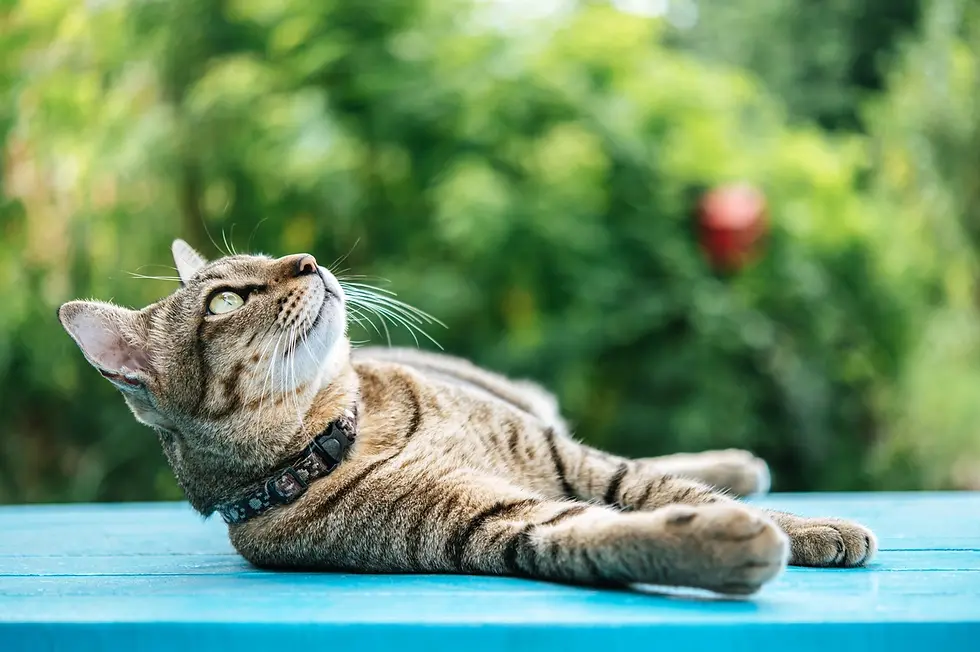
Dogs and cats experience heat differently, although both can struggle when temperatures climb too high. Summer activities often mean more time outdoors, warmer indoor environments, and increased exposure to direct sunlight, all of which can place additional stress on a pet's body.
While dogs tend to show obvious signs such as heavy panting, cats are often more subtle when they become overheated, making it especially important to pay attention to changes in behavior.
Heat related illnesses can affect pets of any age, although puppies, kittens, senior pets, overweight animals, and brachycephalic breeds such as Pugs, Bulldogs, Persian cats, and Exotic Shorthairs generally face a higher risk.
What begins as mild overheating can quickly progress into a more serious condition if action is not taken early. The heat related conditions veterinarians see most often during summer include:
Heat exhaustion
Heatstroke
Dehydration
Early warning signs may include excessive panting, drooling, weakness, lethargy, decreased interest in activity, or seeking out cool surfaces to lie on.
Cats may also become unusually quiet, hide more than usual, or show less interest in food and interaction. Heatstroke is considered a medical emergency and requires immediate veterinary attention.
Providing fresh water, access to shade, proper ventilation, and limiting outdoor activities during the hottest hours of the day can help keep both dogs and cats safe and comfortable throughout the summer months.
Parasitic Diseases
Summer creates ideal conditions for parasites. Ticks become more active in wooded areas and tall grass, mosquitoes seem to be everywhere, and fleas thrive in warm weather.
The result is that dogs spend much of the season surrounded by pests that can do much more than cause temporary irritation.
The challenge is that many parasite related illnesses develop quietly. A dog can pick up a tick during a hike and continue acting completely normal for days before symptoms appear.
The same thing can happen after a mosquito bite. By the time owners notice changes in behavior or energy levels, the illness may have already progressed.
Some of the most common parasite related conditions veterinarians see during summer include:
Lyme disease
Ehrlichiosis
Anaplasmosis
Heartworm disease
Flea allergy dermatitis
Each condition affects dogs differently. Lyme disease, ehrlichiosis, and anaplasmosis can lead to fever, fatigue, joint pain, and appetite changes.
Heartworm disease affects the heart and lungs and may go unnoticed during its earliest stages. Flea allergy dermatitis often causes intense itching, skin irritation, and constant scratching that can leave dogs uncomfortable for weeks.
Regular parasite prevention remains one of the simplest ways to protect your dog throughout the summer.
Checking for ticks after outdoor adventures and staying current with flea and heartworm prevention can dramatically reduce the risk of these seasonal illnesses.

Water Related Illnesses
Summer often means more opportunities for pets to spend time around water. Some dogs love swimming in lakes, rivers, and at the beach, while many cats encounter water risks in a different way, such as drinking from puddles, outdoor water sources, or containers left outside.
Although water activities can be refreshing during hot weather, they sometimes expose pets to bacteria, parasites, and environmental toxins that are impossible to spot with the naked eye.
Warm temperatures create ideal conditions for microorganisms to multiply. A pet may be exposed while swimming, exploring outdoors, drinking from contaminated water, or even walking through areas where wildlife has been present.
Since many waterborne illnesses produce symptoms that resemble common digestive problems, owners may not immediately connect them to a recent outing or outdoor adventure. Among the most common water related illnesses are:
Leptospirosis
Giardia infections
Blue green algae poisoning
Bacterial gastrointestinal infections
Some of these conditions primarily affect the digestive system and may cause vomiting, diarrhea, and dehydration.
Others can impact major organs and lead to more serious complications if left untreated. Blue green algae deserves particular attention because exposure can become dangerous very quickly and may require immediate veterinary care.
Providing fresh, clean drinking water at all times is one of the simplest ways to reduce risk. During outdoor activities, limiting access to questionable water sources and keeping a close eye on where your pet drinks can go a long way toward preventing waterborne illnesses during the summer months.
Skin and Ear Conditions
A pet's skin goes through a lot during summer. Heat, humidity, grass, pollen, insects, and increased time outdoors can all place additional stress on the body's largest organ.
While some pets make it through the season without any issues, others may suddenly develop itching, irritation, or skin problems that seem to appear out of nowhere.
Skin conditions often begin with something relatively minor. A flea bite, an environmental allergen, or moisture trapped in the coat can trigger irritation that gradually becomes more uncomfortable.
As dogs and cats scratch, lick, or groom the affected area repeatedly, the skin can become inflamed and more vulnerable to secondary infections.
Veterinarians commonly treat the following skin and ear conditions during summer:
Hot spots (acute moist dermatitis)
Allergic skin reactions
Ear infections after swimming
Hot spots can develop surprisingly quickly and often look much more severe than owners expect. Allergic skin reactions may cause redness, itching, excessive scratching, or overgrooming, especially in pets that are sensitive to pollen, grass, or insect bites.
Ear infections are seen most often in dogs that swim regularly, although cats can also develop ear problems related to allergies, parasites, or excess moisture.
Paying attention to excessive scratching, head shaking, unusual odors, hair loss, or changes in your pet's skin can help identify these issues early, often making treatment simpler and helping your pet stay comfortable throughout the summer.
Common Summer Injuries
Illnesses are only part of the picture when it comes to summer pet health. The warmer months also bring a noticeable increase in injuries as pets spend more time outdoors, explore unfamiliar environments, and participate in activities that are far less common during the rest of the year.
Dogs may be hiking, swimming, running at the park, or joining family vacations, while outdoor cats often become more active and spend additional time climbing, exploring, and roaming their surroundings.
Although these activities provide valuable exercise and enrichment, they also create more opportunities for accidents and injuries.
One of the most overlooked summer hazards is hot pavement. Air temperature and ground temperature can be dramatically different, and surfaces such as asphalt, concrete, and even sand can become hot enough to burn sensitive paw pads long before they feel uncomfortable to people.
Dogs are particularly vulnerable because they often spend more time walking on these surfaces, although outdoor cats can also experience burns and discomfort after prolonged exposure to overheated ground.
Among the injuries most frequently seen during warmer months are:
Paw pad burns from hot pavement
Cuts and scrapes from outdoor activities
Insect stings and bites
Swimming related injuries
Trauma from increased outdoor activity
Some injuries happen suddenly, while others develop gradually after repeated exposure to heat, rough terrain, or intense physical activity.
Cuts and scrapes are common after hikes, beach outings, and outdoor play sessions, while insect stings can cause anything from mild irritation to more significant allergic reactions.
Swimming injuries may result from slips, muscle strains, exhaustion, or accidents around water, and increased outdoor activity naturally raises the likelihood of falls, collisions, and other forms of minor trauma.
Although many summer injuries are relatively minor, they can become more serious when they go unnoticed or untreated.
Taking a few moments to check your pet's paws, skin, ears, and overall condition after outdoor activities can help identify problems early, making treatment easier and helping both dogs and cats stay comfortable throughout the season.

How to Protect Your Pet's Health During Summer
Summer brings plenty of opportunities for fun and adventure, although it also comes with seasonal risks that can affect both dogs and cats.
The good news is that many of the most common summer illnesses and injuries can be prevented with a few simple habits that support better pet health throughout the season.
A proactive approach can go a long way toward helping your pet stay comfortable, active, and safe during warmer months.
By paying attention to daily routines, outdoor activities, and preventive care, you can significantly reduce the likelihood of dealing with unexpected health issues while still enjoying everything summer has to offer.
The following tips can help lower the risk of common summer illnesses and injuries while keeping your pet comfortable and safe:
Keep fresh water available at all times.
Maintain a consistent diet and avoid sharing fatty table scraps.
Schedule walks and outdoor activities during cooler hours.
Stay current on flea, tick, and heartworm prevention.
Bring clean drinking water during outdoor adventures.
Dry your pet's ears after swimming.
Check paws and skin after hikes, walks, and outdoor play.
Schedule regular veterinary checkups.
Keep garbage, leftovers, and potentially toxic foods out of reach.
Consider pet insurance to help manage unexpected veterinary expenses.
While it is impossible to avoid every illness or injury, a few preventive habits can go a long way toward helping your pet stay healthy throughout the summer.
Paying attention to changes in appetite, energy levels, behavior, or physical condition can help you identify potential concerns early and take action before they become more serious.
A little preparation today can make summer safer, more comfortable, and much more enjoyable for both you and your pet.
Enjoy Summer Adventures With Greater Confidence
Summer is a great time to get outside and create new experiences with your pet, although the season also comes with challenges that deserve a little extra attention.
Digestive issues, heat related illnesses, parasites, skin conditions, and outdoor injuries often become more common during warmer months because pets spend more time exploring, exercising, and enjoying the activities that make summer so much fun.
The goal is not to worry about every possible risk. Instead, it is about recognizing the situations that can lead to problems and taking simple steps to reduce them.
Providing fresh water, staying current on preventive care, choosing safe environments, and paying attention to changes in your pet's behavior can make a meaningful difference throughout the season.
A little awareness goes a long way.
By staying prepared and acting quickly when something feels off, you can spend less time dealing with unexpected health concerns and more time enjoying everything summer has to offer alongside your pet.
Frequently Asked Questions About Summer Pet Health
1. What are the most common summer illnesses in pets?
Some of the most common summer health concerns include digestive illnesses, heat exhaustion, heatstroke, dehydration, parasite related diseases, waterborne infections, and skin conditions. Many of these issues become more common as pets spend additional time outdoors and encounter seasonal hazards such as heat, insects, contaminated water, and unfamiliar foods.
2. How can I tell if my pet is overheating?
Early signs of overheating may include excessive panting, drooling, weakness, lethargy, and reduced interest in activity. Cats may also become unusually quiet, hide more often, or appear less interested in food. If your pet shows severe symptoms such as collapse, difficulty breathing, or confusion, seek veterinary care immediately.
3. Can pets get sick from swimming in lakes or ponds?
Yes. Natural water sources can sometimes contain bacteria, parasites, or harmful algae that may cause illnesses such as leptospirosis, giardia infections, bacterial gastrointestinal infections, or blue green algae poisoning. Providing fresh drinking water and supervising your pet around natural water sources can help reduce these risks.
4. What summer injuries should I watch for?
Some of the most common summer injuries include paw pad burns from hot pavement, cuts and scrapes from outdoor activities, insect stings and bites, swimming related injuries, and minor trauma associated with increased outdoor activity. Checking your pet after walks, hikes, or swimming sessions can help identify injuries early.
5. Does Kanguro Insurance help with summer pet health concerns?
Yes. In addition to helping with eligible unexpected veterinary expenses, pet insurance through Kanguro Insurance includes 24/7 access to licensed veterinarians through phone or video consultations. This can be especially helpful when questions arise about symptoms, injuries, or other health concerns during the summer months.