
Moving to Miami? A Complete Guide for Renters
Updated: Aug 6
TL;DR
A move to Miami comes with plenty to look forward to, but it also comes with a long list of decisions. Choosing the right neighborhood, budgeting for more than just rent, gathering the paperwork you'll need, and getting ready for hurricane season are all part of the process.
In this guide, you'll find practical tips to help you prepare for your move, understand the local rental market, learn why renters insurance is important, and make the transition easier if you're bringing a pet along. By the end, you'll have a clear idea of what to expect before settling into your new home.

Moving to Miami is exciting. Between the warm weather, beautiful beaches, growing job market, and diverse culture, it's easy to see why so many people choose South Florida as their next home.
If you're relocating for work, school, or simply looking for a fresh start, Miami offers a lifestyle that's hard to find anywhere else in the country.
At the same time, moving here comes with its own challenges. Miami is one of the most competitive rental markets in Florida, and choosing the right neighborhood, understanding rental costs, and preparing for hurricane season are all part of settling in successfully.
If this is your first time renting in Miami, you probably have plenty of questions. How much should you budget? Which neighborhoods are worth considering? Is renters insurance required? What should you know before signing a lease?
This guide answers those questions and walks you through everything you need to know before making the move.
Why Are So Many People Moving to Miami?
Miami has become one of the fastest-growing cities in the United States. Over the past few years, professionals, families, students, and remote workers have continued relocating here thanks to its combination of career opportunities, outdoor lifestyle, and international atmosphere.
Miami stands out for its diversity. The city is home to people from all over the world, creating a unique mix of cultures, languages, restaurants, and neighborhoods.
You might prefer the energy of busy city streets, the quieter pace of residential communities, or living near the water. Whatever your lifestyle looks like, there's likely a neighborhood that's a great fit.
Florida's lack of a state income tax is another reason many people consider relocating. Combined with warm weather throughout most of the year, it's an attractive option for people looking to leave colder climates.
Miami has also become an important business hub. Industries like finance, technology, healthcare, tourism, logistics, and real estate continue to grow, attracting companies and creating new employment opportunities.
Finding an apartment is only part of the process. Before you move, it's worth getting familiar with Miami's rental market, preparing for hurricane season, and budgeting for costs beyond your monthly rent.
Taking the time to research before you move can make your transition much smoother.

What Does It Cost to Rent in Miami?
One of the first questions most renters ask is simple:How much does it actually cost to live in Miami? The answer depends largely on where you choose to live.
Luxury neighborhoods like Brickell, Downtown Miami, Edgewater, and Miami Beach typically have some of the highest rental prices in the city. These areas often offer high-rise buildings with amenities like pools, fitness centers, coworking spaces, and concierge services.
Further west, neighborhoods like Kendall, Doral, Sweetwater, and Westchester generally offer more affordable options while still providing convenient access to schools, shopping centers, and major highways.
Your monthly rent is only part of the overall cost of moving. Many first-time renters underestimate how many additional expenses come with signing a lease. These often include:
Security deposit
Application fees
Administration fees
Utility deposits
Internet installation
Parking fees
Moving truck or movers
Furniture
Household essentials
Pet deposits or pet rent
Some apartment communities may also charge move-in fees or require elevator reservations if you're moving into a high-rise building.
Creating a complete moving budget before apartment hunting can help prevent unpleasant surprises once you've signed your lease.
Average Monthly Expenses You Should Expect
Rent is only part of your monthly budget. Before moving to Miami, it's worth thinking about the expenses that come with renting an apartment beyond your monthly payment.
Depending on your lease, some utilities may be included, while others will become your responsibility.
Electricity is usually one of the biggest monthly expenses for renters in Miami. Since air conditioning is used for much of the year, electric bills tend to be higher than in many other parts of the country, especially during the summer months. Internet, parking, and pet fees can also add to your monthly costs, depending on the apartment community you choose.
You'll also want to budget for one-time moving expenses like your security deposit, application fees, utility setup, and renters insurance if your landlord requires it. Planning for these costs before you move can make your first few months much more manageable.
To help you estimate your monthly budget, here's a general overview of common expenses renters may have in Miami. Actual costs vary depending on your neighborhood, apartment size, and personal usage.
Expense | Average Monthly Cost* |
Electricity | $100–$220 |
Water & Sewer | $30–$70 |
Internet | $50–$90 |
Parking (if not included) | $75–$200 |
Pet Rent (if applicable) | $20–$50 per pet |
Renters Insurance | Starting around $5 |
These are estimated monthly costs and may vary depending on your location, apartment community, and utility usage.
Best Neighborhoods for Living in Miami
Miami isn't one-size-fits-all. Every neighborhood offers a different experience, and choosing the right one can have a big impact on your daily life. Your commute, budget, lifestyle, and even how often you want to be near the beach all play a role in finding the right place to live.
You may be looking for a walkable neighborhood with restaurants, cafés, and nightlife just steps away. Or maybe you'd rather have more space, quieter streets, and easy access to parks and schools. The good news is that Miami offers all of those options.
Before signing a lease, take some time to explore different neighborhoods, compare rental prices, and think about what matters most to you. Finding the right area can make your move a whole lot easier and help you feel at home much faster.
Brickell
Often called Miami's financial district, Brickell is popular with young professionals who want to live close to offices, restaurants, rooftop bars, and public transportation. It's walkable, modern, and filled with luxury apartment buildings.
If you enjoy having everything nearby and don't mind paying a little more for convenience, Brickell is worth considering. It's one of the best neighborhoods for people who want an active social life and a short commute to many of Miami's business districts.
Downtown Miami
Downtown offers an urban lifestyle with easy access to museums, sporting events, shopping, and the waterfront. It's a good option if you enjoy being close to the city's activity and having plenty of entertainment nearby.
Living downtown means you'll rarely run out of things to do. From concerts and cultural events to parks along Biscayne Bay, it's a neighborhood that keeps you connected to the heart of the city while offering a variety of apartment options.
Doral
Doral has become one of the most popular areas for families and professionals. It offers newer apartment communities, excellent shopping, parks, golf courses, and easy access to Miami International Airport.
Many people choose Doral because it offers a quieter environment without feeling disconnected from the rest of Miami. It's a great option if you're looking for newer developments, good schools, and plenty of everyday conveniences close to home.

Kendall
Kendall is known for larger apartments, quieter neighborhoods, and more affordable rent compared to central Miami. It's especially attractive for families or anyone looking for a little more space.
Although it's farther from Downtown and the beach, many people appreciate the slower pace and residential feel. You'll also find shopping centers, parks, restaurants, and everyday services just a short drive away.
Edgewater
Edgewater combines luxury apartment living with beautiful Biscayne Bay views. It's close to Midtown, Wynwood, and Downtown while offering a slightly quieter atmosphere.
If you like being close to the city's energy but prefer a more relaxed setting, Edgewater offers a nice balance. Many apartment buildings include amenities like pools, fitness centers, and waterfront views, making it a popular choice for professionals.
Wynwood
Known for its colorful murals, art galleries, cafés, breweries, and nightlife, Wynwood attracts people looking for a creative and energetic neighborhood.
The area has changed dramatically over the past decade and continues to grow. If you enjoy exploring local businesses, attending events, and being surrounded by art and culture, Wynwood offers one of the most unique living experiences in Miami.
Coral Gables
Coral Gables offers beautiful tree-lined streets, historic architecture, excellent restaurants, and a slower pace than many other parts of Miami.
The neighborhood is known for its elegant atmosphere and walkable downtown area filled with shops and cafés. If you're looking for a quieter place with plenty of character, Coral Gables is often at the top of the list.
There isn't a single "best" neighborhood in Miami. The right choice depends on your budget, commute, and the type of lifestyle you're looking for.
Before signing a lease, spend some time exploring different areas, both during the day and in the evening. It's one of the best ways to get a feel for traffic, noise levels, nearby amenities, and whether a neighborhood feels like the right fit for you.
What You'll Need Before Renting an Apartment in Miami
Once you've found an apartment you like, the application process moves quickly. Most landlords and property management companies will ask you to provide several documents before approving your lease. These commonly include:
Government-issued ID
Proof of income
Employment verification
Recent pay stubs
Credit history
Rental history
Background check
Depending on the property, you may also need to pay an application fee, a security deposit, and your first month's rent before moving in. Some landlords may also ask for the last month's rent as part of the lease agreement.
Some apartment communities also require proof of renters insurance before handing over the keys.
Having your paperwork organized ahead of time can make your application much stronger, especially in competitive rental markets where apartments don't stay available for long.
When you're apartment hunting, it's easy to focus on the monthly rent. But once you've signed your lease, you'll quickly realize there are several other expenses to plan for.
Depending on your apartment, you may need to pay utility activation fees, set up your internet service, buy furniture, stock your kitchen, purchase cleaning supplies, or even pay move-in fees charged by the building.
If you're bringing a pet, you may also have to budget for pet deposits or monthly pet rent.
While none of these expenses may seem overwhelming on their own, they can add up surprisingly fast.
Many people spend hundreds or even thousands of dollars during their first few weeks simply getting their new home ready. Planning for these costs before moving day can help you stay within your budget and avoid unnecessary financial stress.
It's also a good time to think about protecting everything you're bringing into your new home.
Many landlords require renters insurance before move-in, and even if yours doesn't, having coverage can help protect your belongings if they're damaged by a covered event like fire, theft, or certain types of water damage.
Considering how much you're investing in furniture, electronics, clothing, and other personal items, it's one of the simplest ways to add an extra layer of protection.
Getting covered is easy. With Kanguro Insurance, you can get a renters insurance quote online in just a few seconds, making it one less thing to worry about before moving day.
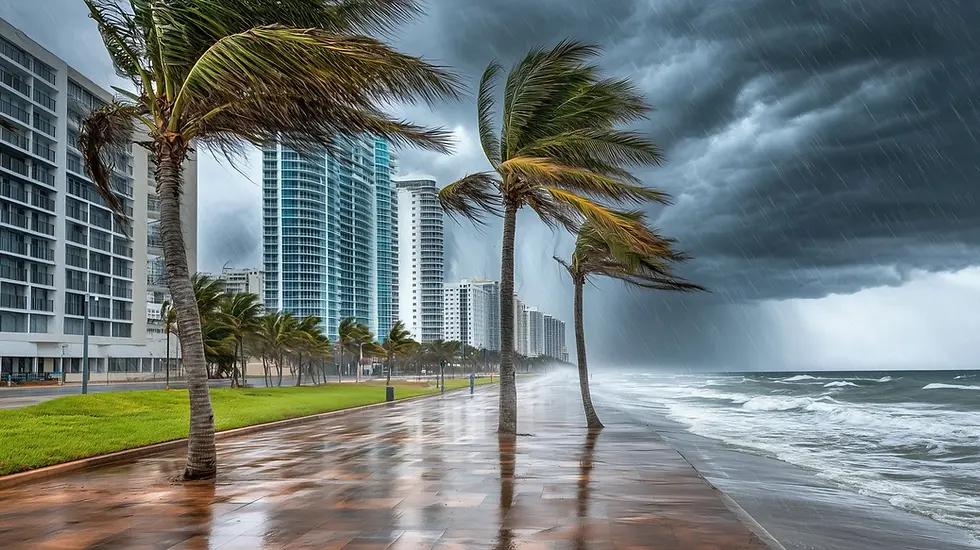
Living in Miami: Hurricanes, Flooding & Weather
One of the biggest differences between living in Miami and many other cities is hurricane season. While not every storm directly impacts Miami, renters should always be prepared between June and November.
Heavy rain, tropical storms, and strong winds can occasionally cause power outages, fallen trees, flooding, or property damage.
Preparing before hurricane season can make a stressful situation much easier to handle. Putting together a small emergency kit with essentials like flashlights, batteries, drinking water, nonperishable food, phone chargers, important documents, and supplies for your pets can save valuable time if severe weather is expected.
It's just as important to learn about your building's hurricane procedures and evacuation plans so you know what to do before a storm arrives.
Your landlord’s policy covers the physical building, not what’s inside your apartment, like your couch, laptop, or clothes. Renters insurance helps cover your belongings against fire, theft, and windstorm damage.
Keep in mind that external flash flooding or storm surges usually require a separate flood policy, but internal water damage from plumbing issues is typically covered. Clear rules, no guesswork.
Is Renters Insurance Required in Miami?
One of the biggest surprises for new renters is discovering that many apartment communities require renters insurance before move-in.
Even if your landlord doesn't require it, having renters insurance can provide valuable financial protection if something unexpected happens.
A standard renters insurance policy may help cover your personal belongings if they're damaged by covered events such as fire, smoke, theft, vandalism, certain types of accidental water damage, windstorms, or lightning.
If one of these covered events damages your furniture, clothing, electronics, or other personal items, your policy may help with the cost of repairing or replacing them, subject to your policy's terms and coverage limits.
Many policies also include personal liability coverage, which may help if you're legally responsible for accidentally causing damage to someone else's property or if someone is injured in your apartment.
Another benefit many renters appreciate is coverage for additional living expenses if a covered loss makes your apartment temporarily uninhabitable.
One common misconception is that the landlord's insurance protects everything inside the apartment. In reality, the landlord's policy generally covers the building itself, not your furniture, electronics, clothing, or other personal belongings.
Considering how much it can cost to replace everything you own, renters insurance is often one of the most affordable ways to protect yourself financially.
At Kanguro Insurance, renters insurance starts at just $5/month and can be purchased online in minutes, making it easy to meet apartment requirements and protect your belongings before move-in. The prices vary based on location and coverage selected.

Moving to Miami With Pets?
If you're moving with a dog or cat, you'll be happy to know that Miami is a great place for pet owners. The city has plenty of dog parks, walking trails, outdoor cafés, and even pet-friendly beaches where you can spend time together once you're settled in.
As you search for a new home, take a close look at each property's pet policy. Some communities have breed or weight restrictions, limit the number of pets allowed, or charge pet deposits and monthly pet rent. Knowing what to expect ahead of time can make your apartment search much easier.
The move itself can be an adjustment for pets, too. Keeping their routine as consistent as possible, bringing familiar toys and bedding, and giving them time to explore their new surroundings can help them feel comfortable more quickly.
Once you've arrived, it's a good idea to find a nearby veterinary clinic and emergency animal hospital so you're prepared if your pet ever needs care.
No one plans for an unexpected trip to the vet, but accidents and illnesses can happen at any time.
New environments mean unexpected vet visits happen. Kanguro Pet Insurance covers eligible vet bills for sudden accidents and illnesses, and includes 24/7 Telemedicine access directly through your phone.
That way, if your cat eats something strange on moving day, you can chat with a licensed vet instantly without rushing to an ER.
You can get a free quote online in just a few seconds and see which coverage option is right for your pet.
Final Moving Checklist
Before moving day arrives, take a few minutes to make sure you've covered the essentials.
Research neighborhoods that fit your lifestyle and budget.
Build a realistic moving budget that includes more than just rent.
Gather all documents needed for your rental application.
Schedule utility and internet installation.
Reserve movers or a moving truck early.
Update your address with banks, employers, and subscriptions.
Purchase renters insurance before move-in if required.
Locate nearby grocery stores, pharmacies, and healthcare providers.
If you have pets, identify a local veterinarian before your move.
Make sure your renters insurance is in place before moving in.
The more planning you do ahead of time, the easier it will be to settle into your new home and start enjoying everything Miami has to offer.
Ready for Your Move to Miami?
Moving to Miami is an exciting opportunity to start a new chapter. With a little planning, choosing the right neighborhood, setting a realistic budget, and preparing for the unexpected, you'll be ready to enjoy everything the city has to offer from day one.
As you get ready for your move, don't forget about protecting the things that matter most.
Whether you're looking for renters insurance, pet insurance, or both, Kanguro Insurance makes it easy to get covered before you settle into your new home.
Get your free quote today and start your Miami adventure with confidence.
Frequently Asked Questions
Is Miami a good place to rent?
Yes. Miami offers a wide range of rental options, from luxury high-rises and waterfront apartments to quieter suburban communities. The best choice depends on your budget, commute, and lifestyle.
How much money should I save before moving to Miami?
Besides your monthly rent, you should budget for security deposits, moving expenses, utility setup, furniture, groceries, and other upfront costs. Having a financial cushion can make the transition much easier.
Is renters insurance required in Miami?
Some landlords and apartment communities require renters insurance before move-in, while others leave it up to the tenant. Even when it's optional, it can help protect your belongings and provide liability coverage for covered situations.
What neighborhood is best for first-time renters in Miami?
Popular choices include Brickell, Doral, Kendall, Downtown Miami, Edgewater, and Coral Gables. The right neighborhood depends on your budget, work location, and preferred lifestyle.
Does Kanguro Insurance offer renters insurance in Florida?
Yes. Kanguro Insurance offers affordable renters insurance in Florida that can help protect your belongings, provide personal liability coverage, and satisfy many apartment insurance requirements. You can get a quote online in just a few minutes.



Comments